Lead Generation: Build a Reliable Base of Loyal Customers

Irena Harmash — 15 minutes — January 20, 2026

Every business needs customers. But before someone buys a product or orders a service, they first need to become a lead. Lead generation is a systematic process you can measure, optimize, and scale. In this article, you’ll see how to build a qualified pipeline of potential customers and turn those leads into repeat buyers.
A lead is a person or company that has shown interest in your product or service and provided a way to contact them.
The key difference from a regular visitor is intent: a lead has taken an action that lets you continue the conversation and guide them through the next steps in the buying journey.
Examples of actions that indicate a lead:
This gives you permission and context to follow up, qualify needs, and tailor the next touch.
Lead generation is a set of marketing and sales activities designed to attract potential customers and collect their contact information. It’s the backbone of an effective sales strategy.
In practice, it includes:
A well-designed lead gen process is measurable: you know where leads come from, how much they cost, how they move through each stage, and what to improve to increase sales conversations. Companies that invest consistently in lead generation see better financial results.
Not all leads have the same value. Understanding the differences helps you manage the sales process and allocate resources more effectively.
Someone who has engaged with your brand through marketing content but isn’t ready for a sales conversation yet. They may visit your site repeatedly, download educational materials, or subscribe to the newsletter.
Example. A user who visited the pricing page three times, downloaded an industry guide, and subscribed to your newsletter. They’re clearly interested but need more time to decide. MQLs should be nurtured — for instance, invite them to a webinar.
Someone who has expressed clear buying intent and is ready to talk to the sales team.
Example. A prospect who submitted a request for a quote or called to ask about a specific solution for their company.
SQLs demand a fast response. Studies cited by InsideSales.com indicate that companies responding within 5 minutes are up to 100× more likely to convert than those that wait 30 minutes. To keep response times tight, use tools that measure and accelerate speed-to-lead. Ringostat reports show how long a customer waited on the line or for a chat reply, so you can quickly spot bottlenecks.
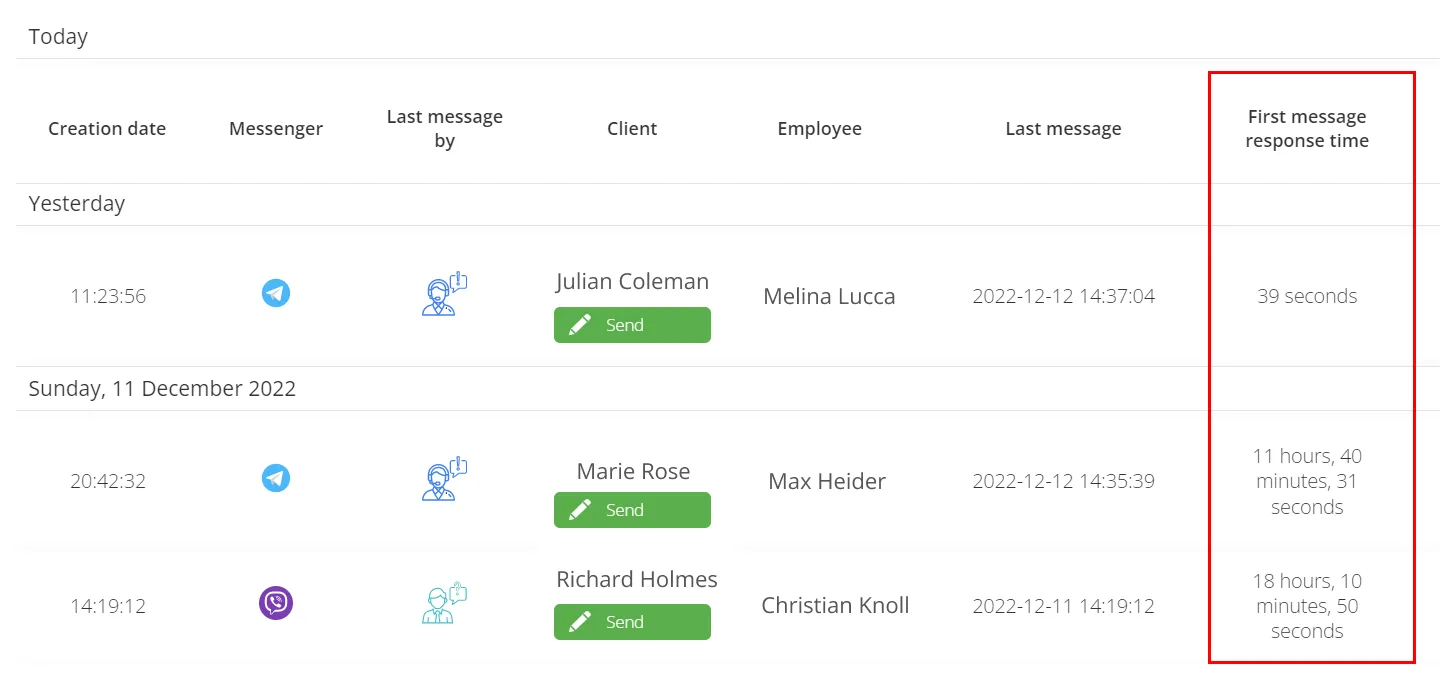
And tools like Ringostat Smart Phone and Ringostat Chat enable instant communication without switching apps — reps can pick up calls and messages right away.
A user who has tried your product (e.g., a free trial) and demonstrated behaviors that signal readiness to upgrade.
Example. A SaaS user who tested a 14-day free version, used 90% of key features, and added team members. These behaviors suggest the product fits and they’re ready to move to a paid plan.
Existing customers who are interested in additional services or expanding the relationship.
Example. A client on a basic accounting package who asks about adding tax advisory. Upsell and cross-sell to current customers are often easier and cheaper than acquiring new ones.
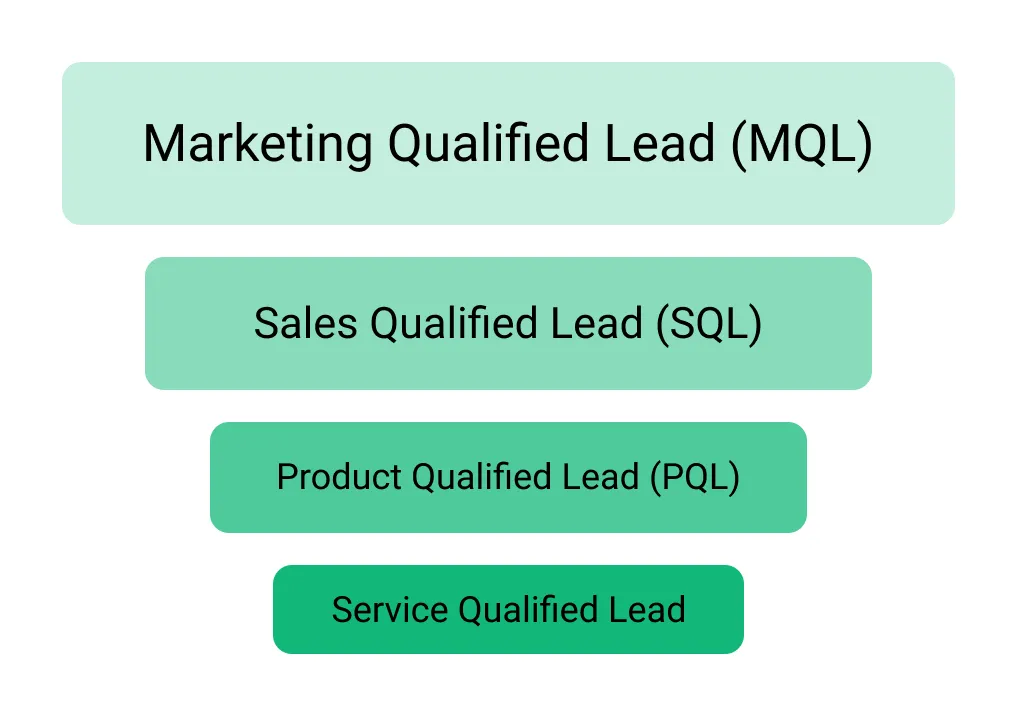
In practice, the MQL/SQL/PQL/Service Qualified framework is widely used in B2B and SaaS. It isn’t a rigid standard, though. Each company should tune thresholds and definitions to its sales cycle and product.
Many teams also use a simpler “temperature” model:
This helps marketing and sales quickly set priorities and tailor communication — from educational content for cold leads to immediate outreach for hot leads.
Lead scoring is a points-based estimate of purchase likelihood. It helps marketing and sales decide where to focus.
A scoring model can consider:
Example point values:
Once a lead crosses a set threshold — say, 80 points — the system auto-marks it as hot and hands it to sales.
Modern CRMs and adjacent platforms can fully automate this: scoring updates in real time with every interaction.
Scoring is no longer limited to numbers. AI can evaluate not only what a lead did, but also how conversations with them went.
Ringostat AI automatically transcribes 100% of calls and chats, assessing tone of voice, sentiment, engagement, and compliance with your sales script. It generates reports that show:
Combined with traditional scoring, AI data gives a fuller picture of lead quality. It makes it easier to identify the best leads, improve communication, and lift conversion.
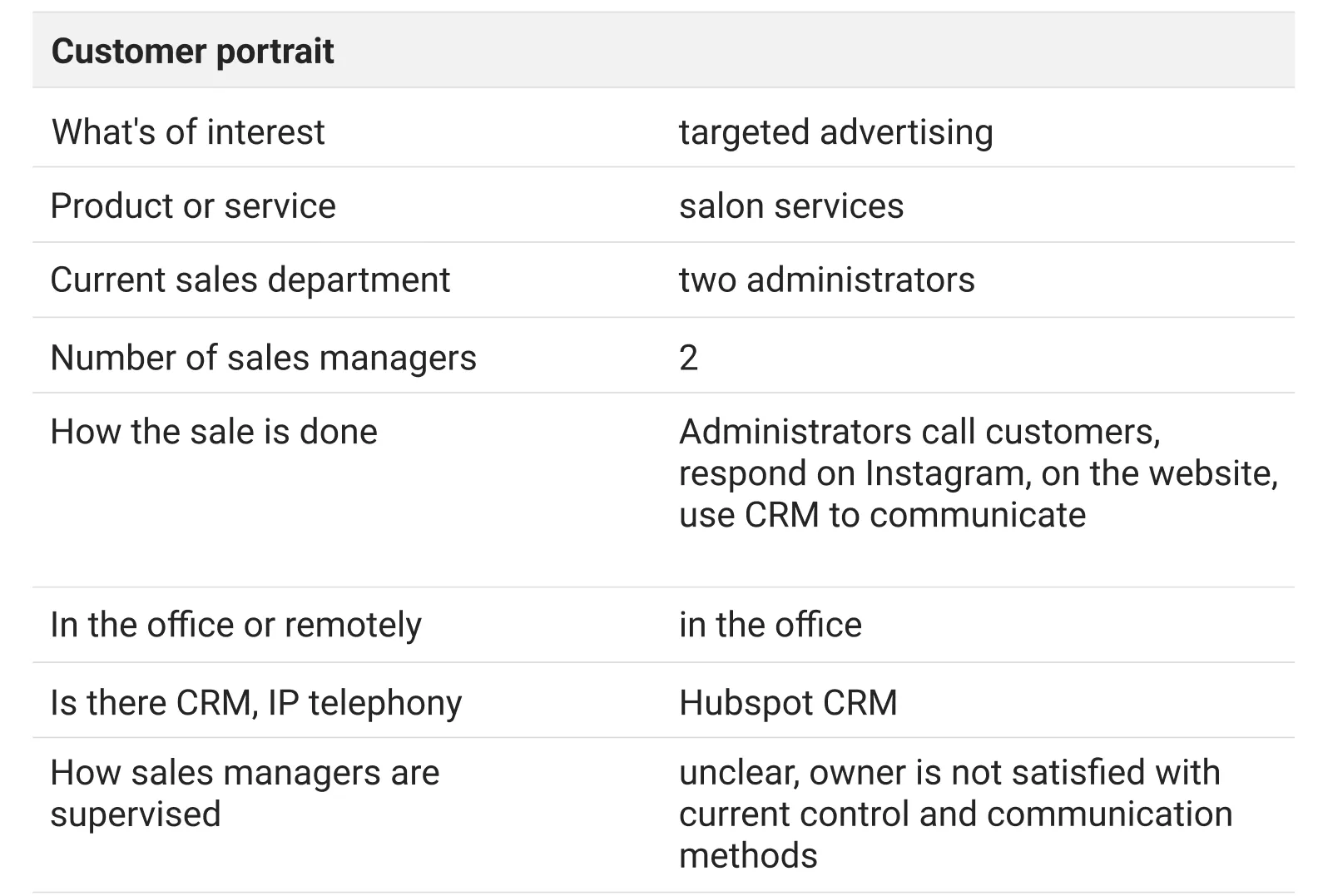
A Polish agency, Traffic Peaks, used Ringostat AI to improve lead qualification. By capturing budget and needs more systematically, they personalized offers better. The team lead also saved 4 hours per month on supervision, since AI analyzes all conversations automatically.
See how Ringostat automates workflows and streamlines customer support




Only 27% of leads are ready to talk about a purchase at first contact. The remaining 73% need nurturing (MarketingSherpa).
Lead nurturing is the strategic process of building relationships by providing relevant content at the right time. The goal is to stay top-of-mind, educate the lead, and gradually earn the purchase.
Key elements of effective nurturing:
Effective lead generation needs the right toolkit. Choose solutions that actually solve your problems and integrate with your stack.
The CRM is the heart of lead management. A good CRM stores contact data, tracks interaction history, automates lead routing, monitors funnel progress, and generates reports. Popular platforms include Salesforce, HubSpot CRM, Pipedrive.
The real power of a CRM shows up in integrations. Connect messengers, chat, and telephony to auto-create leads. When someone calls or messages, the contact appears instantly with full history. No lead slips through the cracks, and managers save hours on manual data entry to focus on what matters: talking to customers.
A Polish agency, Traffic Peaks, saved many staff hours after such an integration: managers stopped retyping call data, and each call — along with AI analysis — is automatically attached to the customer record with the recording.

Customers expect to reach you the way they prefer. Younger audiences like chat, older ones call, business users email. Limiting yourself to a single channel means losing everyone who doesn’t use it.
You need tools that centralize channels. The Ringostat Chat widget brings website chat, SMS, and messengers into a single interface.
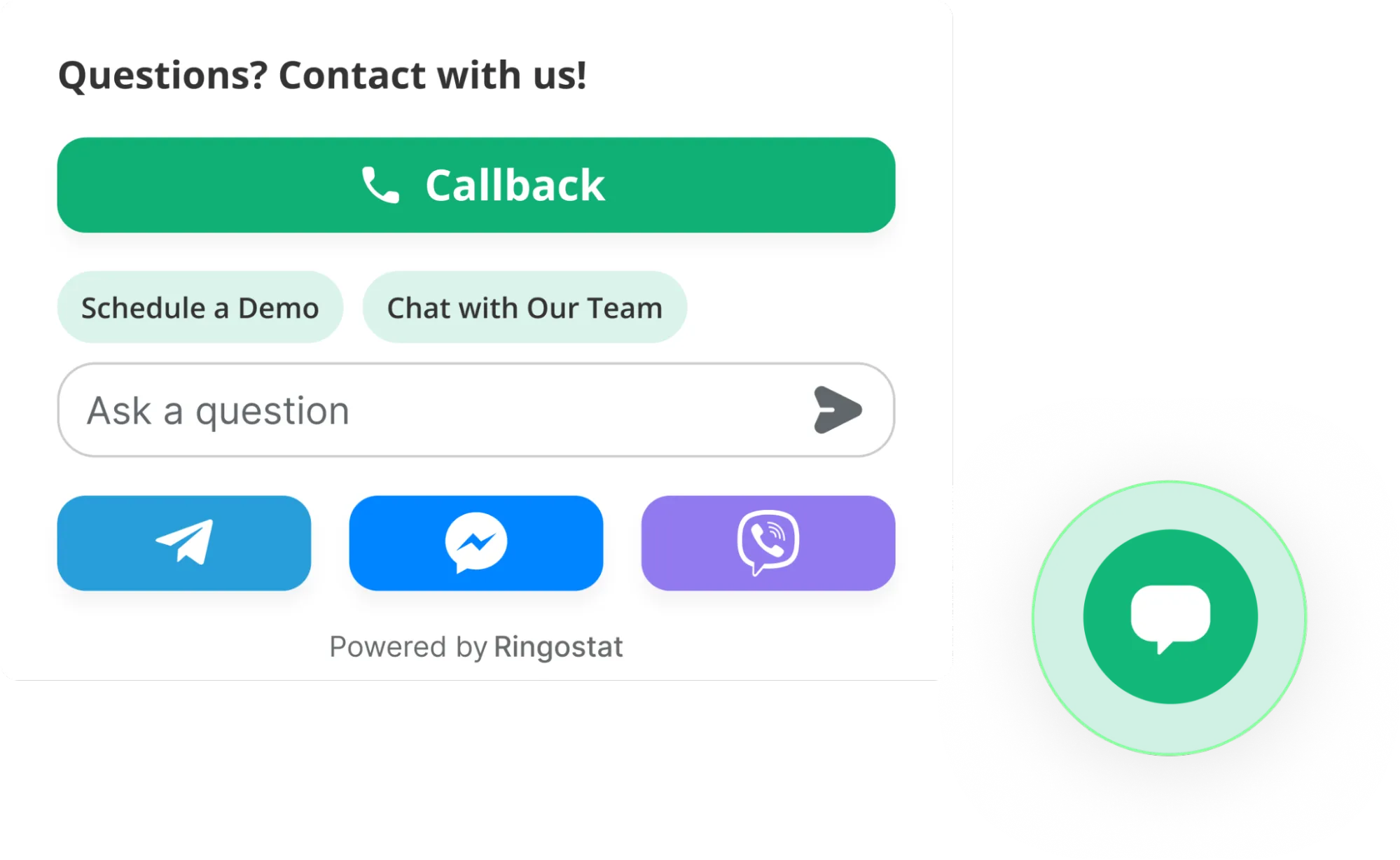
It’s convenient not only for leads who can choose their channel, but especially for the team. Managers don’t have to juggle a dozen tabs — all messages land in one place: the Ringostat app. No lead disappears in yet another messenger because someone forgot to check another app.
Automation platforms to handle repetitive tasks. You can build email sequences, score leads, personalize communication, and run multichannel campaigns. Popular options include HubSpot Marketing Hub, ActiveCampaign, and GetResponse.
For many businesses, the phone is the main contact channel. Ringostat call tracking shows exactly which ad drove the call — down to the keyword. That helps you optimize ad spend: if 70% of calling leads come from three keywords, you raise bids there instead of spreading budget thin.
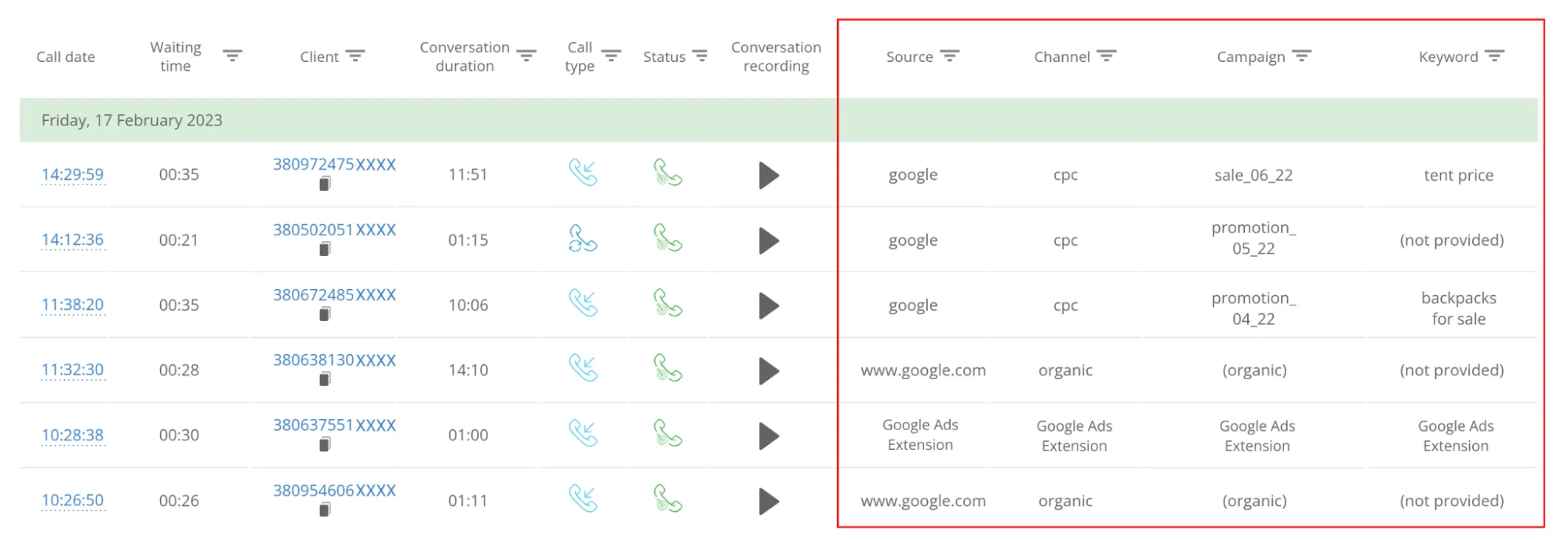
According to a case study from Polish company Eskurro, Ringostat call tracking increased the number of calls by 45%, while cost per lead fell by 30%.

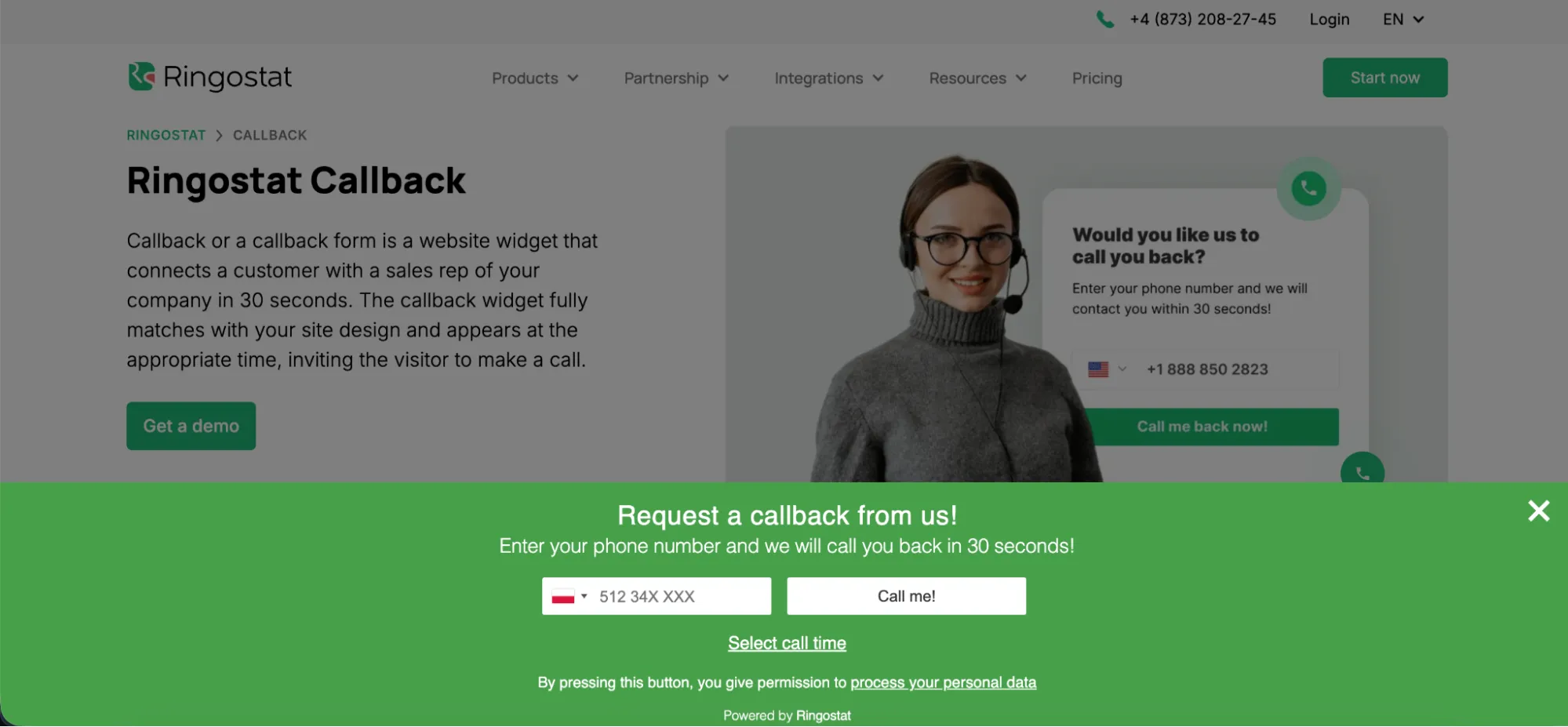
Not everyone wants to fill out a form. Many would rather talk. A callback form lets visitors schedule a call at a convenient time, significantly lowering the barrier to contact.
Callback works because it:

With CRM integration, every callback lead goes straight into the system — complete with visit history, campaign data, and keyword.
Without data, you’re guessing. Google Analytics is the baseline for understanding traffic and on-site behavior.
Just as important is what happens after first contact: what leads say on calls, what questions they ask, and where they drop off. Traditionally, a manager could review only a small sample of calls per month — not enough for reliable insights. Ringostat AI Analytics processes 100% of conversations automatically and delivers summaries with key insights.
Virtual PBX, AI analytics, and CRM integrations — all in one platform.

Winning at lead gen requires a coherent strategy, not random tactics. The best results come from combining inbound and outbound approaches, reinforced by data and automation.
Inbound means customers come to you because you provide useful information and solutions. Instead of chasing them with ads, you create content that answers their questions and builds trust.
Content marketing is a core inbound pillar. Blogs, how-to guides, webinars, and industry reports bring in organic traffic, improve Google visibility, and build your brand’s authority.
According to DemandMetric, companies that blog generate 67% more leads per month on average. Research from the Content Marketing Institute aligns with this — 74% of marketers name content marketing as key for lead generation.
The key is to understand real audience needs. Tools like AnswerThePublic, Google Trends, and Search Console help.
SEO amplifies the effect. Users who search for a solution are often closer to purchase than those who click an ad by chance. Priorities include:
While inbound attracts people who are already looking, outbound means proactively reaching audiences who may be interested but don’t know your brand yet. The goal is to create interest where none existed.
Typical outbound activities include cold calls, sales webinars, and targeted campaigns — for example, ads on Facebook, Instagram, LinkedIn, or the Google Display Network. In these channels, you initiate contact by placing your offer in front of a defined audience.
Effective outbound requires precise targeting, tailored messaging by segment, and fast follow-up on generated leads.
Equally important is analyzing lead sources. With Ringostat call tracking reports, you can see which campaigns and keywords actually produce sales calls. That lets you validate ad performance and train campaign algorithms by steering budget toward the sources that generate high-quality leads.
Example: A Peugeot dealer in Bulgaria that uses Ringostat call tracking optimized its campaigns after reviewing call sources — achieving +50% more leads on the same budget.
Social media help you build relationships and reach specific groups. For B2B, LinkedIn tends to perform best; for e-commerce, Facebook, Instagram, and increasingly TikTok; for local businesses, Facebook and Google Ads.
Most platforms now offer built-in lead gen tools. Native lead forms let users submit details without leaving the app. This shortens the conversion path and increases mobile submissions, where traditional forms often deter action.
Not every sale needs to start with advertising. In many industries, a recommendation from a partner or expert beats a paid campaign. Strong options include:
This is an easy way to acquire leads that already come with trust.
Dozens of people visit your site every day, but most remain anonymous — they don’t leave details, message, or call. The issue isn’t a lack of interest. It’s lack of context: who were they, what were they looking for, what did they view?
Automation helps convert part of that traffic into identifiable leads with full context about their interests.
Traditionally, the first call starts with questions like “What brought you to us?” or “How did you hear about us?” The customer has to repeat themselves while the manager takes notes — valuable time lost. Modern systems flip this dynamic.
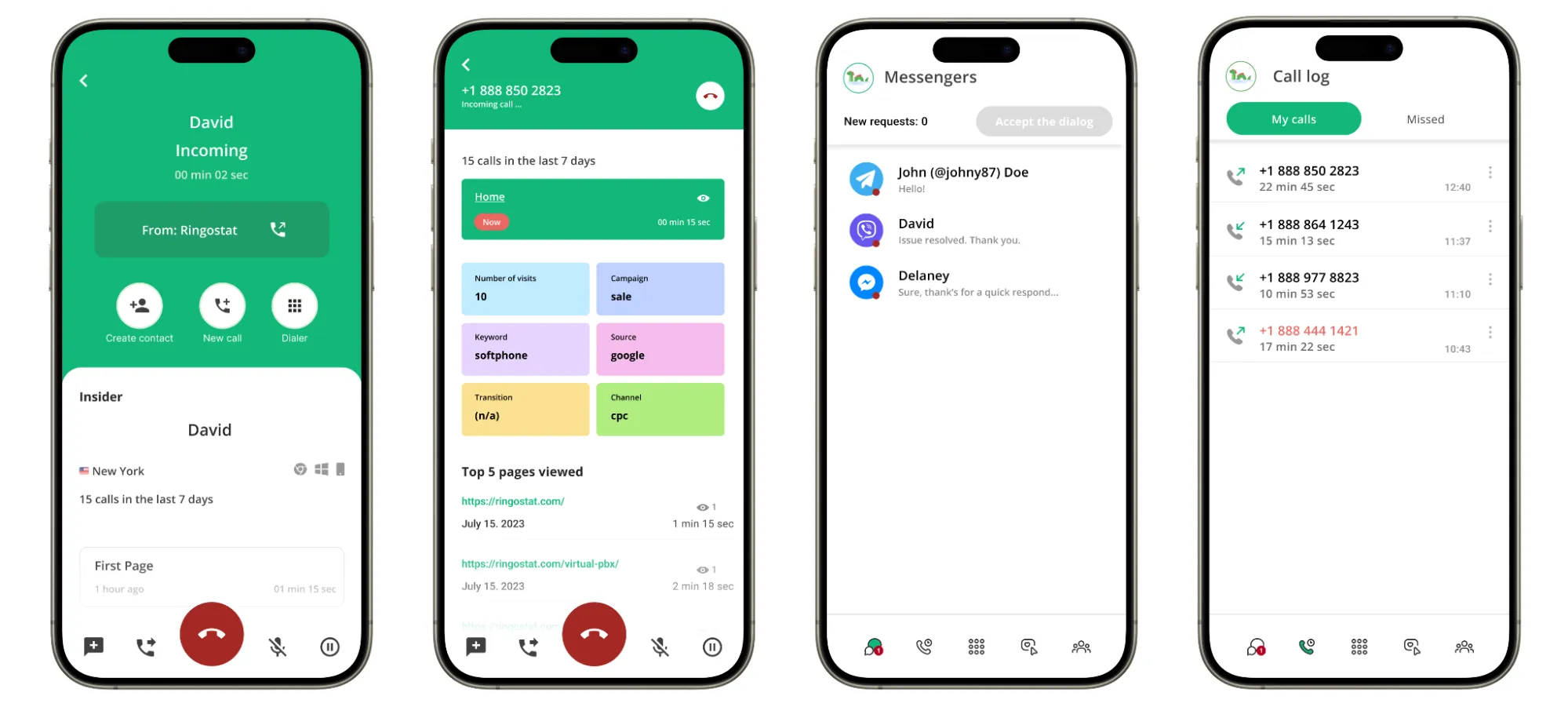
When a customer calls or messages, the manager already sees:
Ringostat Smart Phone shows this in the browser before you pick up or reply. No tab switching, no CRM scavenger hunts — everything is visible immediately.
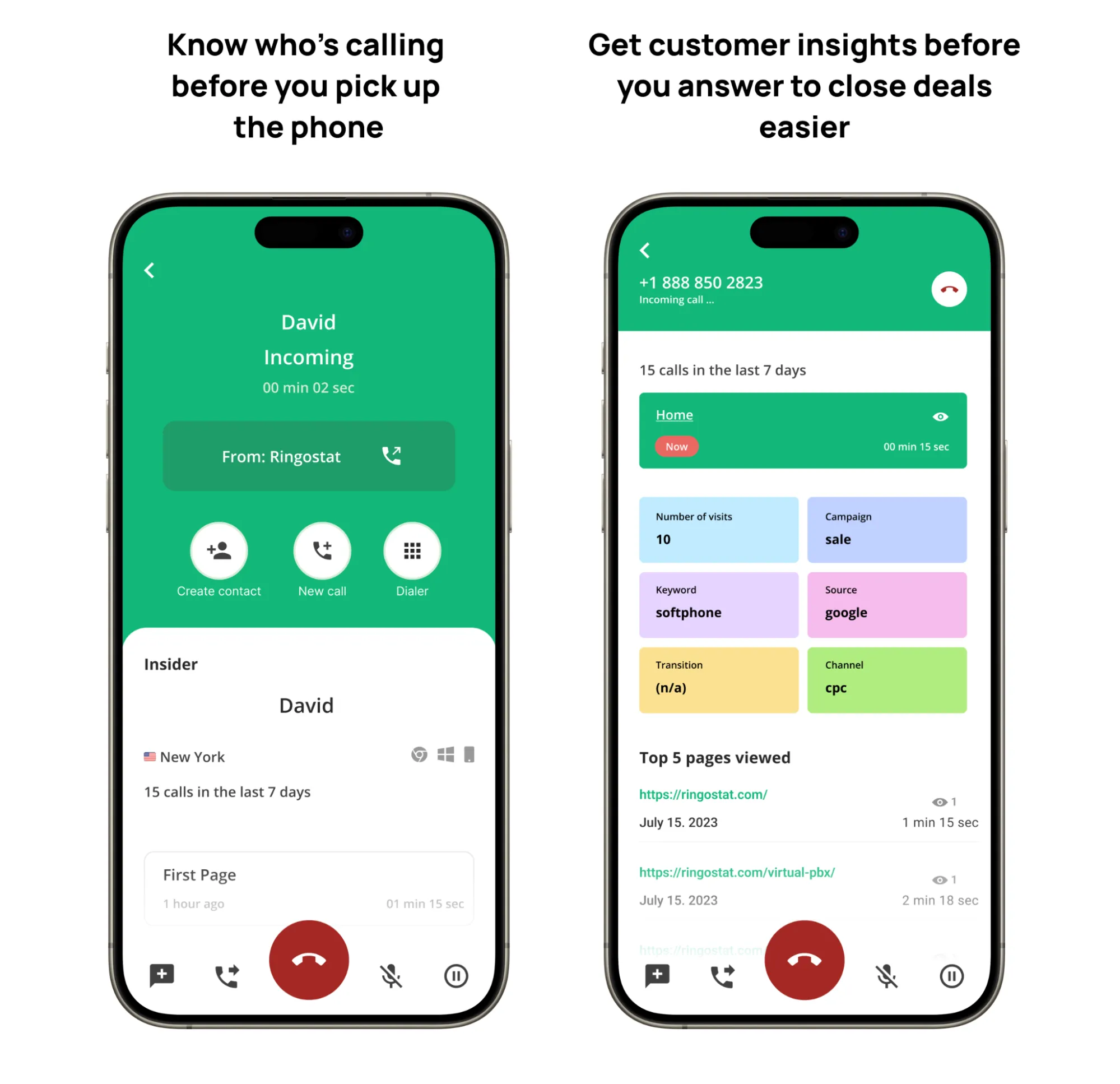
Example. A customer calls an electrical accessories store. The manager sees the person repeatedly viewed a premium German brand, searched “German quality equipment” and spent 12 minutes on those product pages. Instead of “How can I help?”, the manager starts with: “I see you’re interested in Gira accessories. Want help choosing a series?” The customer feels understood — conversion odds jump.
Gaudi DS, a Bulgarian company with 10 years in bathroom equipment, implemented Ringostat. With customer insights, managers know the caller’s interest before picking up and can propose specific products or bundles immediately. The result: +75% revenue and +32% sales without increasing the ad budget.

A lead magnet is a valuable asset you offer in exchange for contact information. It’s a trade — you deliver value, you earn the right to continue the conversation. HubSpot data shows 50% of marketers consider lead magnets one of the most effective ways to generate leads.
A high-performing lead magnet should:
Ebooks & guides. Best for B2B where decisions require education and authority. Specificity wins. Instead of “How to improve marketing,” try “17 tactics to increase landing page conversions with real-world examples and numbers.”
Checklists & templates. Practical, time-saving, and instantly usable. For example, a “Complete SEO Audit Checklist” or a “30-day content calendar template.”
Webinars. Live events create urgency — you can’t “watch later,” you need to register now. A one-hour session demands commitment and lets participants ask questions. You also see who was active — your hottest follow-ups.
Free consultations. Ideal where buyers need a tailored approach and won’t purchase without a conversation: legal, financial, marketing, etc. A 30-minute call proves more than ten pages of copy.
Calculators. Each user gets a personalized result. Examples:
Free trials. For SaaS, hands-on access is often the best magnet. The sweet spot is 7–14 days.
Modern customer journeys aren’t linear. Someone sees a Facebook ad, visits from a laptop, returns on a phone in the evening and chats, calls a week later, then sends a question via Messenger. Google estimates that the average B2B buyer consults 12 different information sources before deciding.
The biggest problem? Data fragmentation. A customer calls — the manager doesn’t see yesterday’s chat. A Messenger question gets answered by someone else who doesn’t know about last week’s phone conversation. The result: customers repeat themselves, get conflicting answers, and feel ignored.
The fix isn’t adding yet another tool. It’s building a coherent ecosystem where phone, chat, and messengers operate as one integrated system.
Ringostat unifies telephony, text communication, call tracking, and AI analytics on a single platform integrated with your CRM. Every interaction — regardless of channel — is automatically logged to the contact record. When a manager opens a conversation, they see the full history: when the customer visited the site, which ad brought them, what they asked before, and who handled the last touch.
This prevents the dreaded “Please repeat what you told the previous consultant.” Every manager has context and can pick up right where the last person left off.
Lead generation is a systematic process that requires strategy, tooling, and constant optimization.
Effective lead generation combines content marketing, paid media, conversion optimization, and excellent service. Companies that treat it holistically — and use modern communication tools — build durable advantages and a stable customer base.
Don’t wait for leads to show up on their own. Build a system that actively attracts qualified prospects, nurtures them, and turns them into loyal customers.



Ringostat content marketing specialist. Author of articles on marketing, IT and business. Studied law at Yaroslav the Wise National Law University in Kharkiv.

Ringostat brings calls, chats, and analytics into one platform, so you never miss a lead — from the first touchpoint to the sale.